

Africa chooses italian design by OMSI
OMSI seating is not only admired for its aesthetics in Europe, but has also become a key feature of some of the most important sporting stages across the African continent.
The company has delivered landmark projects in North Africa, ensuring comfort and durability for thousands of spectators ahead of major global events.
Here is a selection of the main African stadiums that have chosen the Italian quality of OMSI:
Morocco: the home of African football
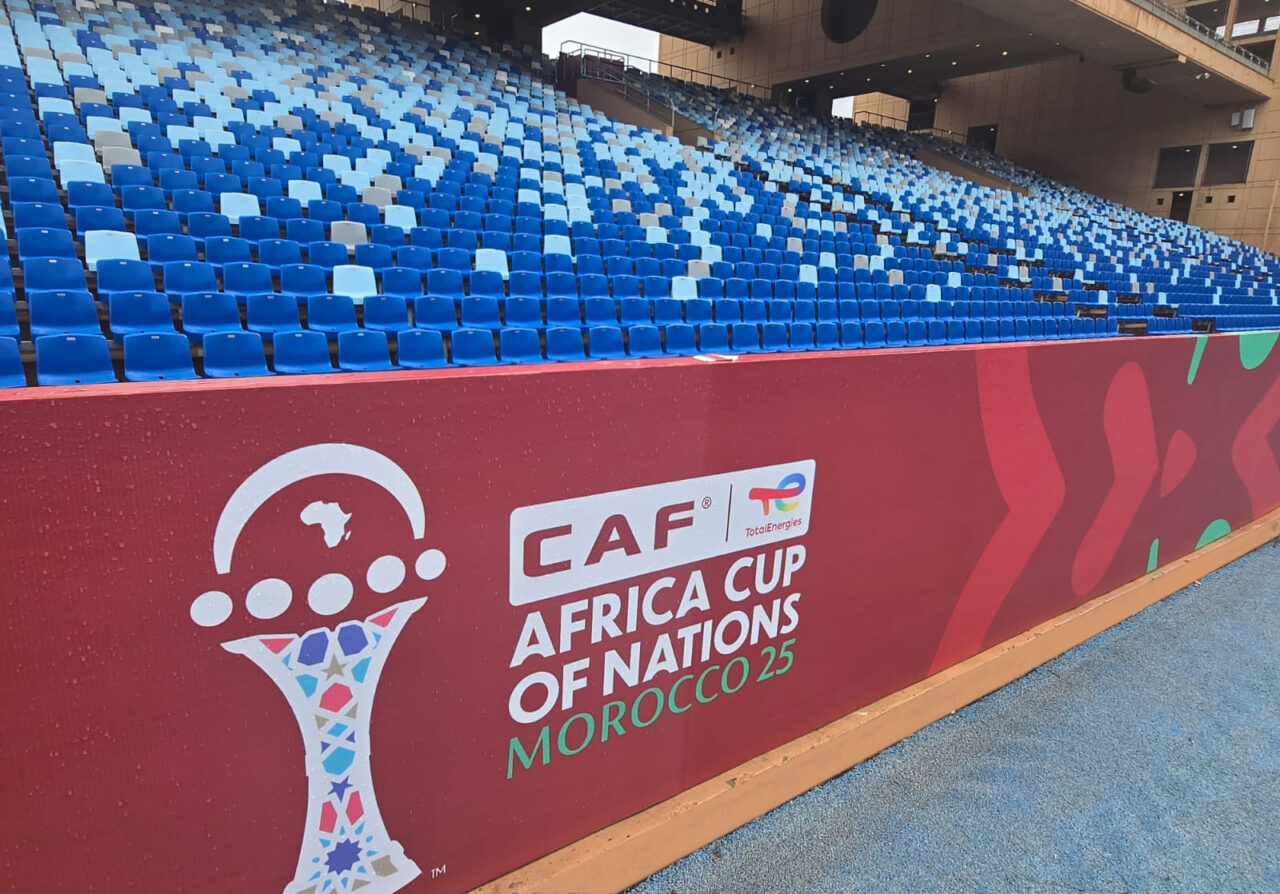
Morocco is currently the hub of OMSI’s presence in Africa, with large-scale interventions carried out for the Africa Cup of Nations 2025/2026 and in preparation for the 2030 World Cup.
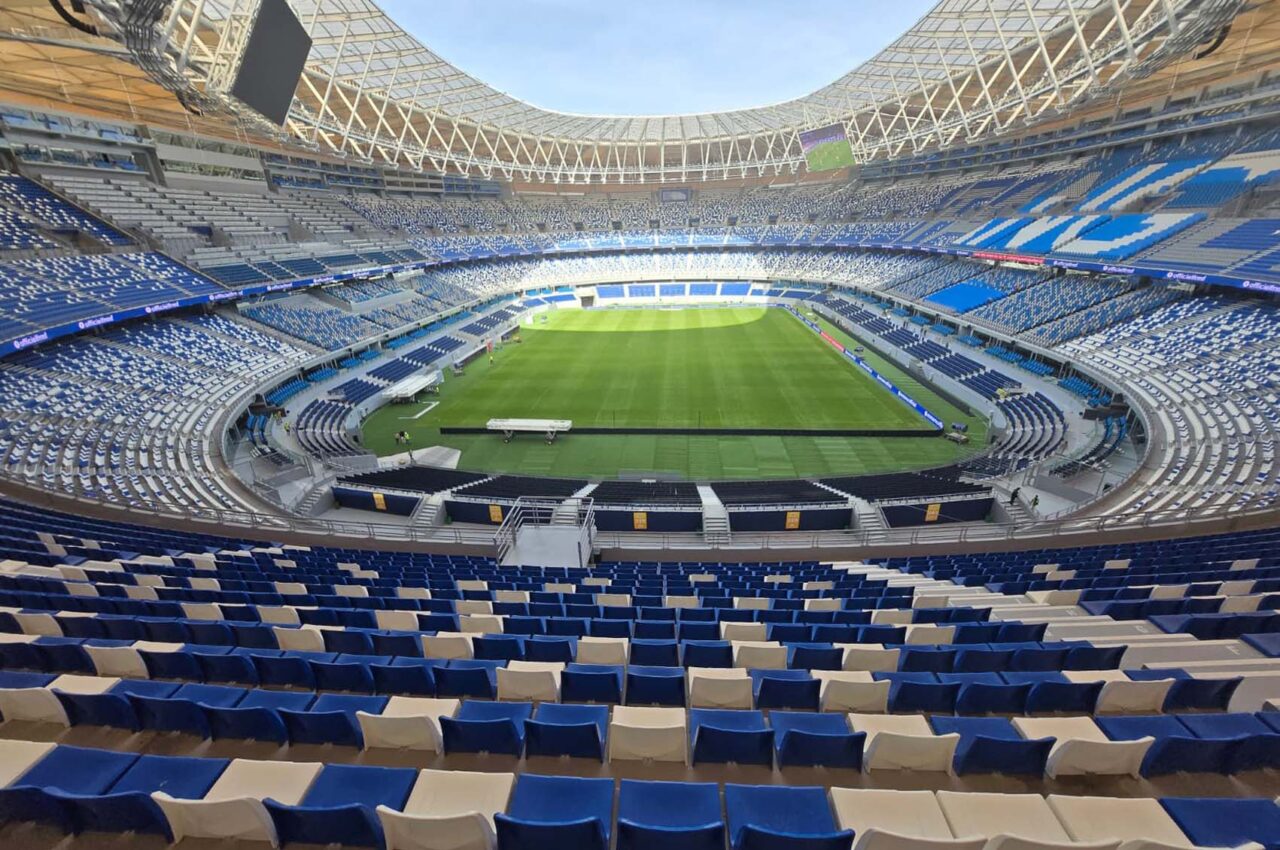
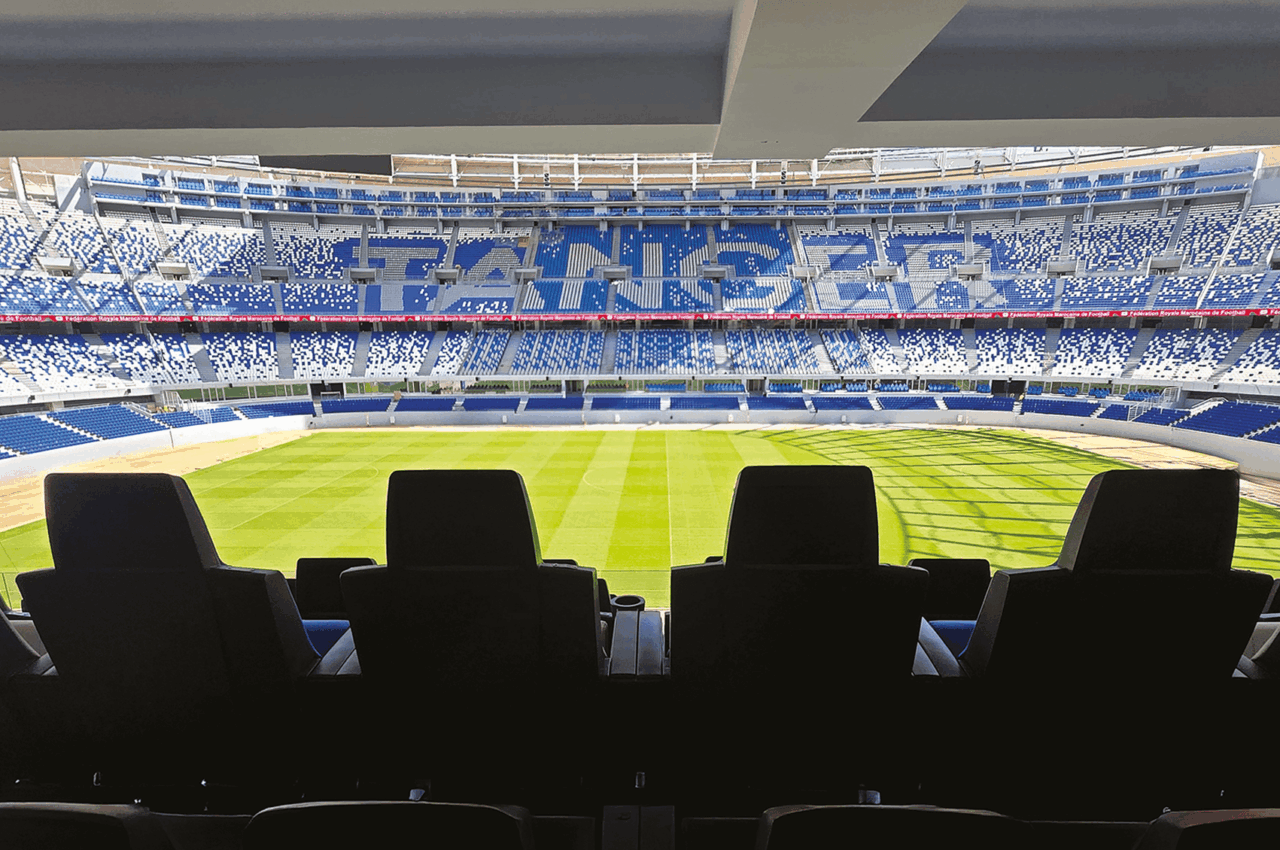
- Grand Stade de Tanger (Tangier):
Year of completion: 2025.
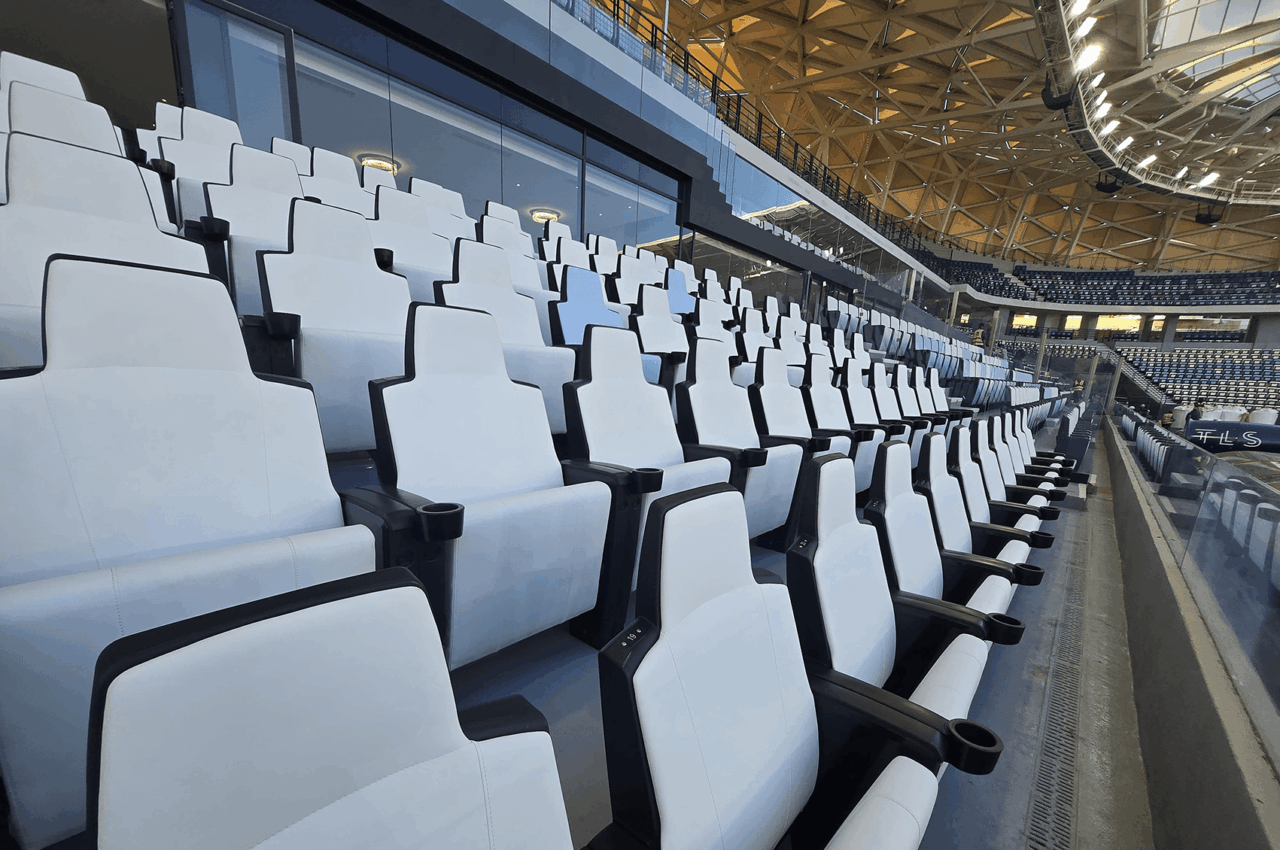
One of the most ambitious projects, featuring a major renovation that increased capacity to 70.500 seats. OMSI supplied around 54,200 bucket seats M2025 (designed to meet FIFA 2030 requirements), 9,000 tip-up seats M2013 and over 8,000 armchairs Leonardo Gold by Pininfarina for the VIP areas. - Sports Palace (Rabat)
Year of completion: 2025.
Not only large outdoor stadiums. OMSI also furnished this indoor arena with approximately 8,000 bucket seats M2020 and Leonardo VIP armchairs for the central stand. - Stade Al Medina (Rabat)
Year of completion: 2025.
A newly built venue developed for the 2025–26 Africa Cup of Nations, with a capacity of 18.500 seats. OMSI supplied and installed around 17.500 M2013 tip up seats, over 500 Leonardo armchairs by Pininfarina (Silver and Gold versions with integrated headrests), and 216 MP2024 press stations for the media area. - Grand Stade Mohamed V (Casablanca)
Year of completion: 2025.
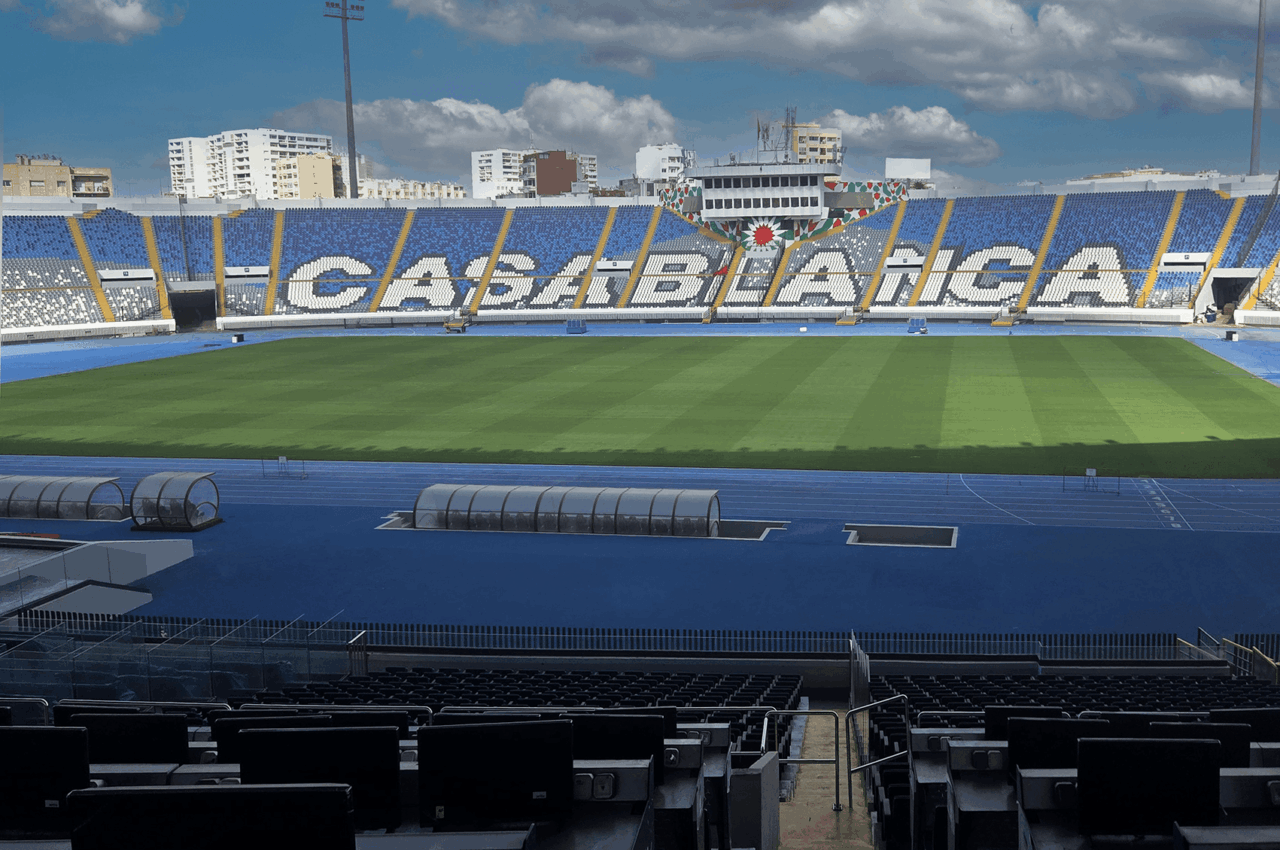
Another historic Moroccan reference in the company’s portfolio and one of the nine stadiums that hosted the Africa Cup of Nations. With a capacity of over 45.000 seats, the modernized complex now features state-of-the-art facilities, including new locker rooms, a press area, and improved accessibility for fans. These upgrades are part of a broader effort to enhance national football infrastructure ahead of the 2030 FIFA World Cup, hosted by Spain, Portugal, and Morocco. - Grand Stade d’Agadir (Agadir)
Year of completion: 2025.
A 45.480-seat stadium selected as one of the Africa Cup of Nations venues as part of Morocco’s nationwide sports infrastructure upgrade plan. - Grand Stade de Fes (Fes)
Year of completion: 2025.
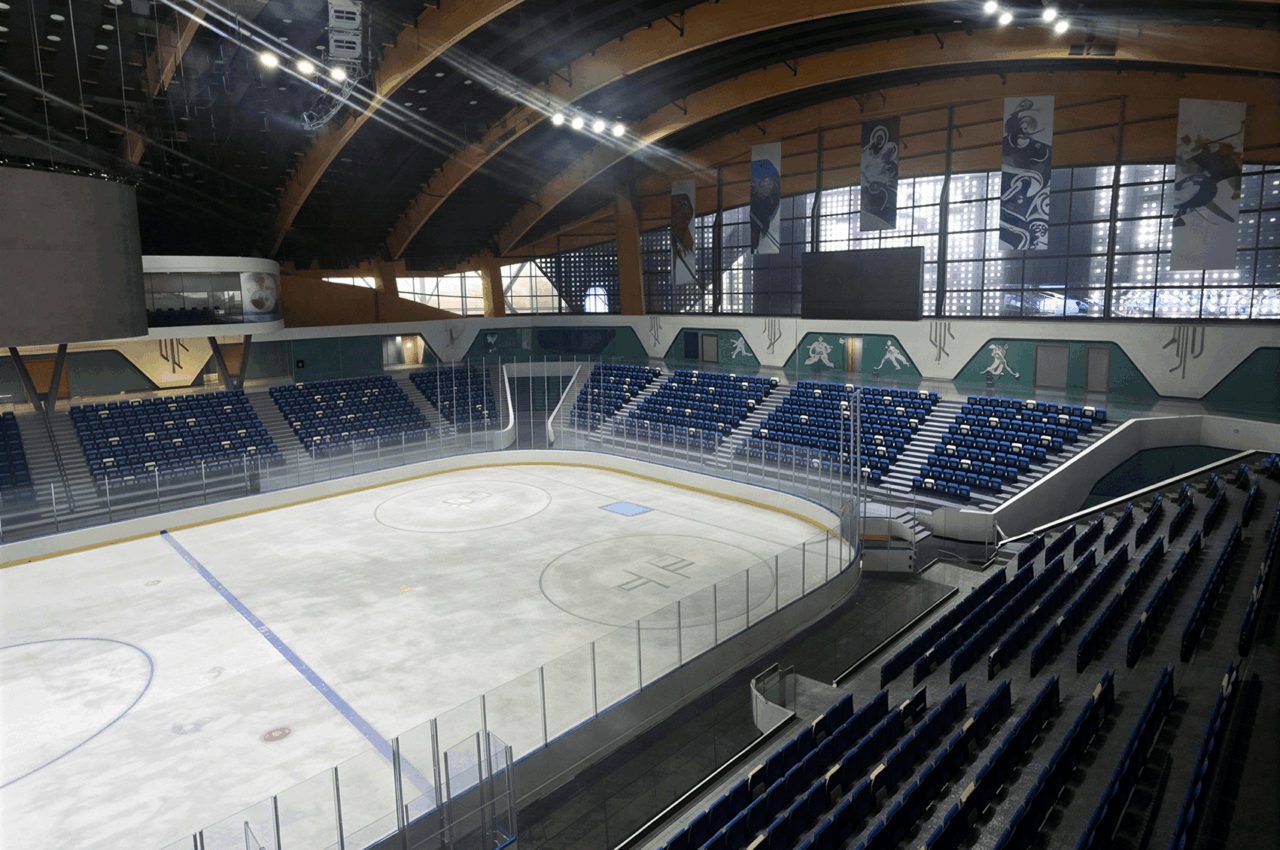
A 45.000-seat stadium, also chosen as a host venue for the Africa Cup of Nations within the country’s broader sports development strategy. - Salle Multisport Hockey (Rabat)
Year of completion: 2025.
The largest permanent ice rink in Africa, featuring an Olympic-size rink with approximately 1,738 m² of ice surface. An exceptional facility that highlights OMSI’s commitment to winter sports infrastructure in Africa.
- Grand Stade d’Al Hoceima (Al Hoceima)
Year of completion: 2022.
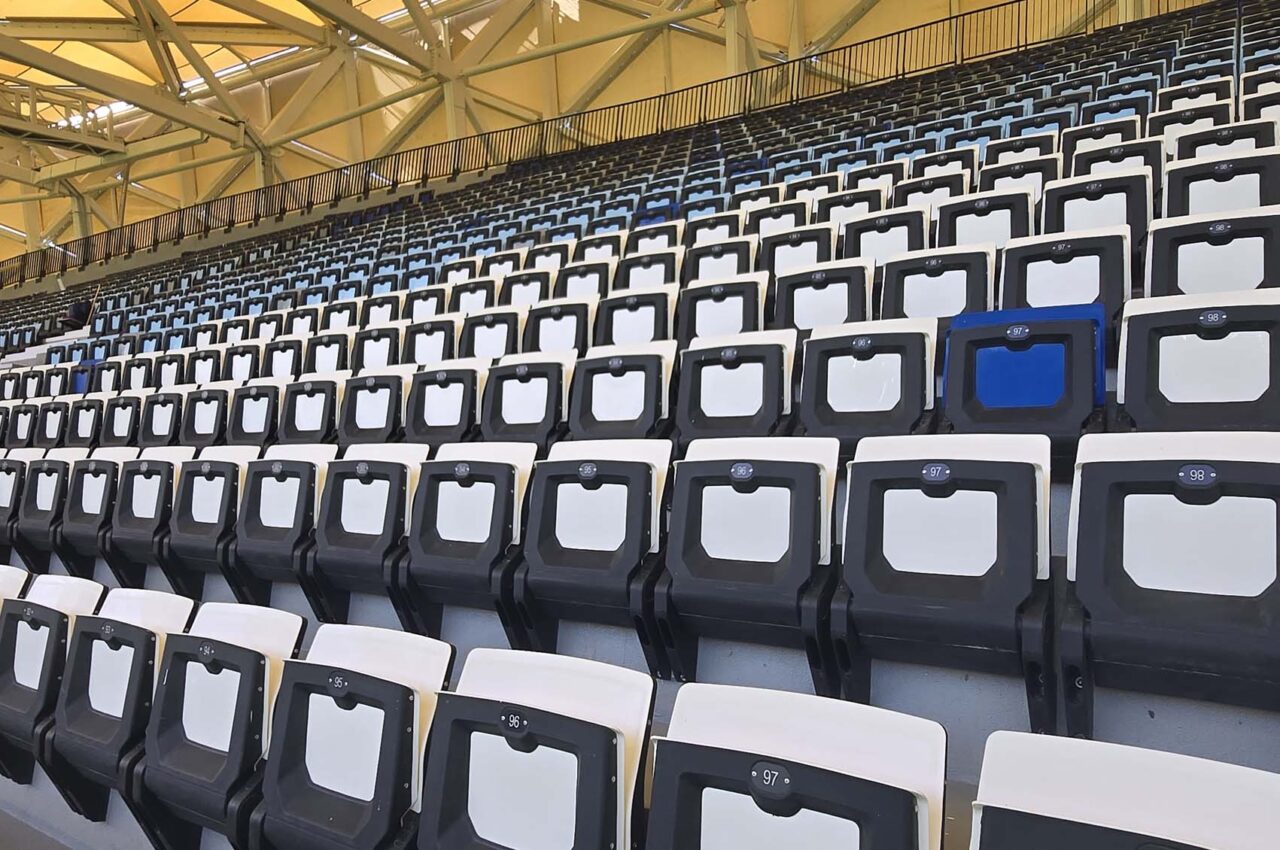
A state-of-the-art 35,000-seat stadium where 11,000 M2010 bucket seats were installed, along with M2013 tip up seats in the hospitality areas and elegant Leonardo Gold armchairs for the VVIP sections. - Grand stade de Marrakech (Marrakech)
Year of completion: 2025.
Already renovated in 2023 with OMSI seating in the side stands and curves, the stadium is now undergoing further upgrades, adding 16.000 seats in the main stand. The project includes redesigned hospitality boxes, seating for lounges, VVIP areas, media sections, and accessibility improvements for spectators with disabilities. After the Africa Cup of Nations, additional works will begin in preparation for the 2030 World Cup, including a major redevelopment that will lower the pitch by 9 meters, remove the athletics track, and increase overall capacity.
Algeria: major numbers in Algiers
OMSI’s commitment also extends to neighboring Algeria, where it has contributed to the modernization of national sports infrastructure:
- Stadio 5 Luglio 1962 (Algeri)
For this venue, a symbol of Algeria’s independence, OMSI supplied around 26.700 M2020 and 4.000 M2013 tip up seats for the first tier, including VIP versions with cup holders.
Cameroon: OMSI has been present since the 2022 Africa Cup of Nations
- Stadio Paul Biya Yaundee
Year of completion: 2020.
For one of the stadiums that hosted the 2022 Africa Cup of Nations, won by Senegal in the final, OMSI supplied and installed more than 63,000 M2012 tip up seats.
PROJECTS, IDEAS, SOLUTIONS - FAQ
What regulations must stadium seats comply with?
Stadium seating must comply with several technical standards designed to ensure safety, durability, and correct installation within sports facilities. Among the main ones, EN 13200-1 regulates the layout of seating in the various sections of the stadium, ensuring compliance with the required dimensions for evacuation routes and the proper organization of spectator areas.
The EN 13200-4 standard concerns fixing systems and defines the requirements necessary to ensure that each seat is installed in a safe, stable, and reliable way over time. This is a fundamental aspect, as the fixing system plays a decisive role in the overall safety of the structure.
In addition, EN 12727 focuses on the mechanical resistance of the seat. To verify its load-bearing capacity, particularly stringent laboratory tests are carried out: among these, a test with 200,000 impacts applied with a weight of 80 kg at 10 cm from the edge of the seat. The same test is then also performed on the backrest, in order to thoroughly test the resistance of the entire structure and assess its reliability even under intensive use conditions.
What are FIFA criteria?
FIFA criteria represent the reference guidelines for the construction of a football stadium, depending on the type of event it is intended to host. The latest FIFA 2030 recommendations mark an important step forward in terms of comfort and sustainability.
What is the lifespan of a stadium seat?
The average lifespan of a seat is approximately 8–10 years outdoors, depending on environmental conditions and the level of exposure to weather agents, and can reach around 15 years indoors. These are indicative values, however, which may vary depending on several factors, such as the usage context, maintenance, and the stresses the seat is subjected to over time.
Are the seats sustainable?
Yes. OMSI has been investing energy and resources in environmental research and protection for years. The company is certified ISO 9001 not only for production but also for installation, and offers several products made from second-life plastic.
In addition, with the 2024 financial statements, OMSI prepared its first sustainability report, setting important environmental goals for the future.
There is also a record the company is particularly proud of: OMSI’s M2020 is the first stadium seat in the world certified with an EPD.
In which African stadiums are OMSI seats installed?
OMSI seats are installed in numerous African stadiums, reflecting a well-established presence across the continent. Countries where they have been installed include Morocco, Algeria, Tunisia, Senegal, Togo, Cameroon, South Africa, Botswana, Angola, and Egypt.
What does the collaboration between OMSI and Pininfarina mean?
The collaboration between OMSI and Pininfarina represents a meeting of Italian design and industrial expertise, applied to stadium seating. It is a partnership that enhances Made in Italy excellence, combining aesthetic research, design, and manufacturing quality.
Thanks to its collaboration with leading Italian designers, OMSI positions itself as an ambassador worldwide of know-how that combines design, innovation, and fully Italian manufacturing. In this context, Pininfarina has brought a distinctive and recognizable touch, blending with OMSI’s industrial expertise to create unique solutions.