
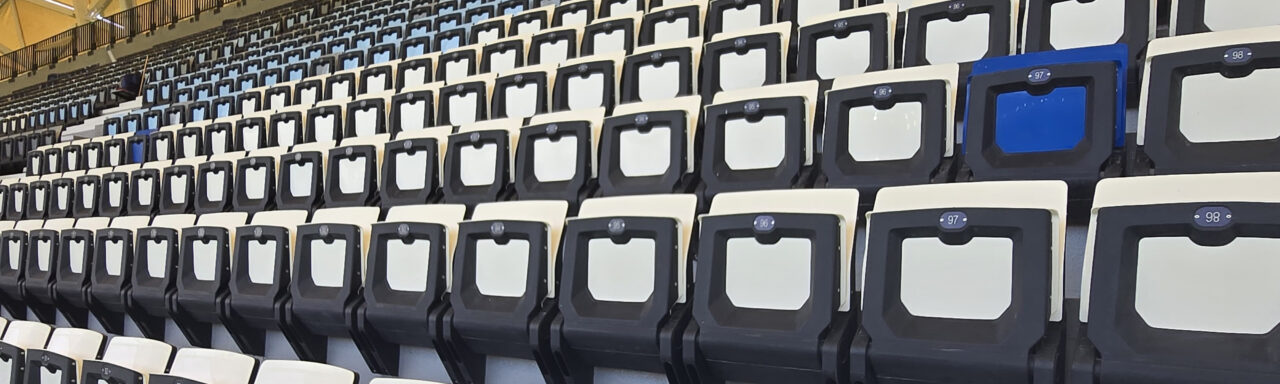
Durability and comfort. That’s why stadiums choose OMSI.
Beyond their cutting-edge design, OMSI seating ensures superior durability, allowing every fan to express themselves freely—experiencing and sharing the excitement.
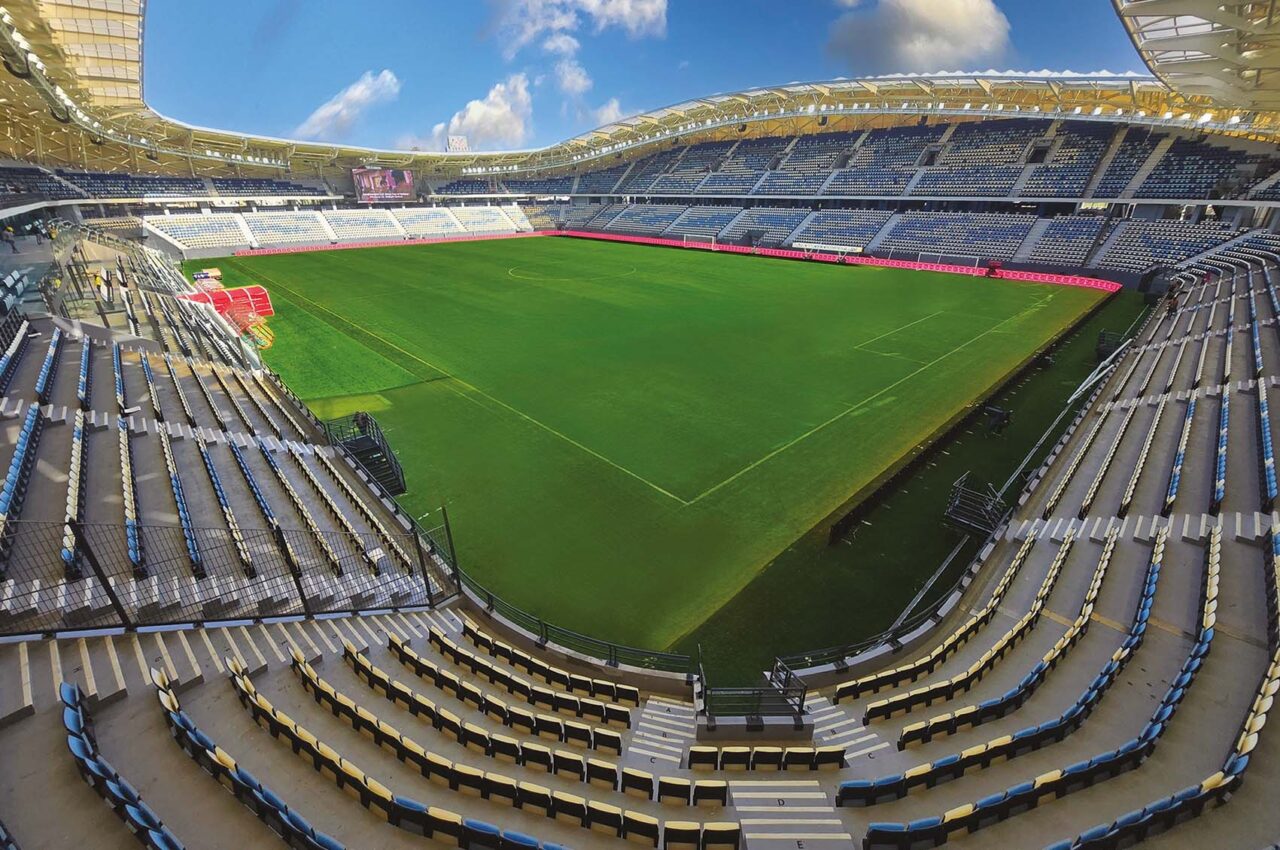
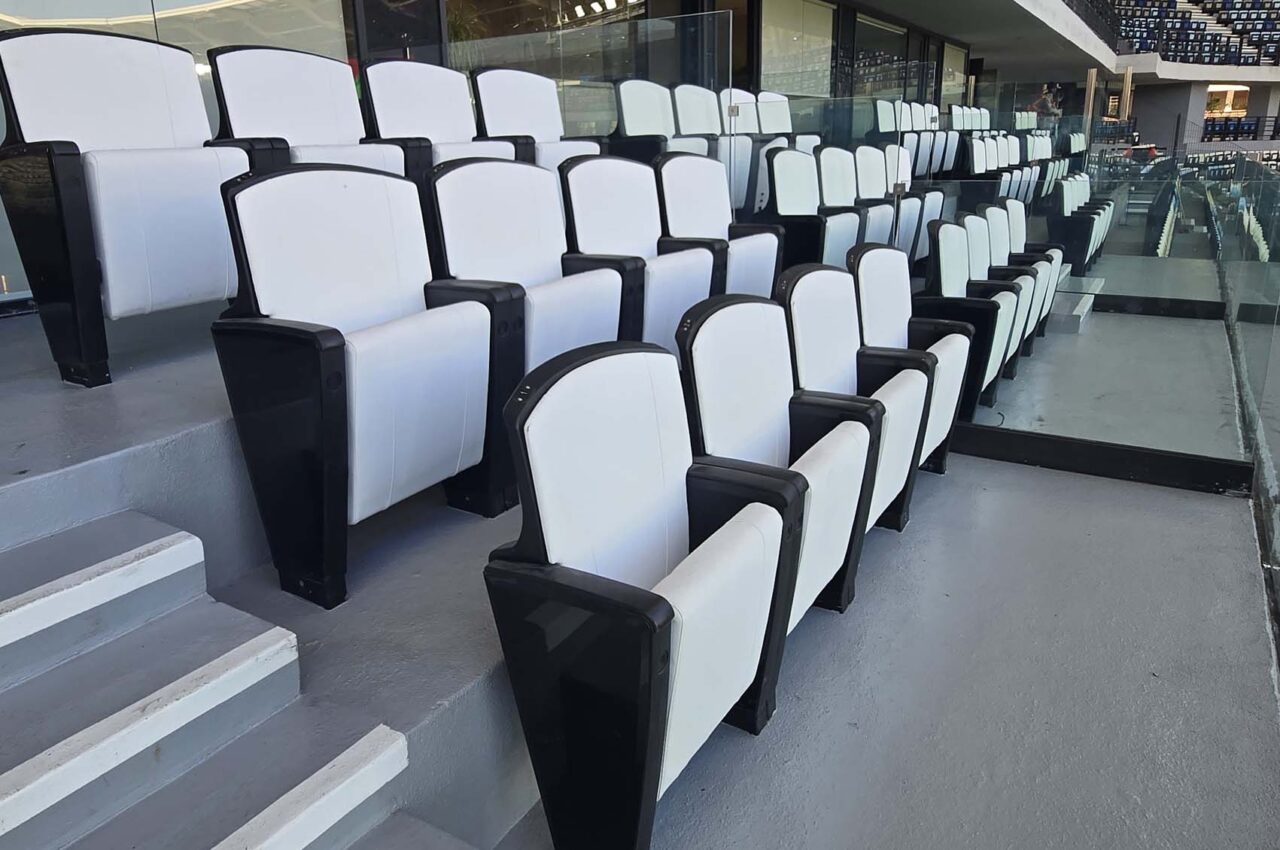
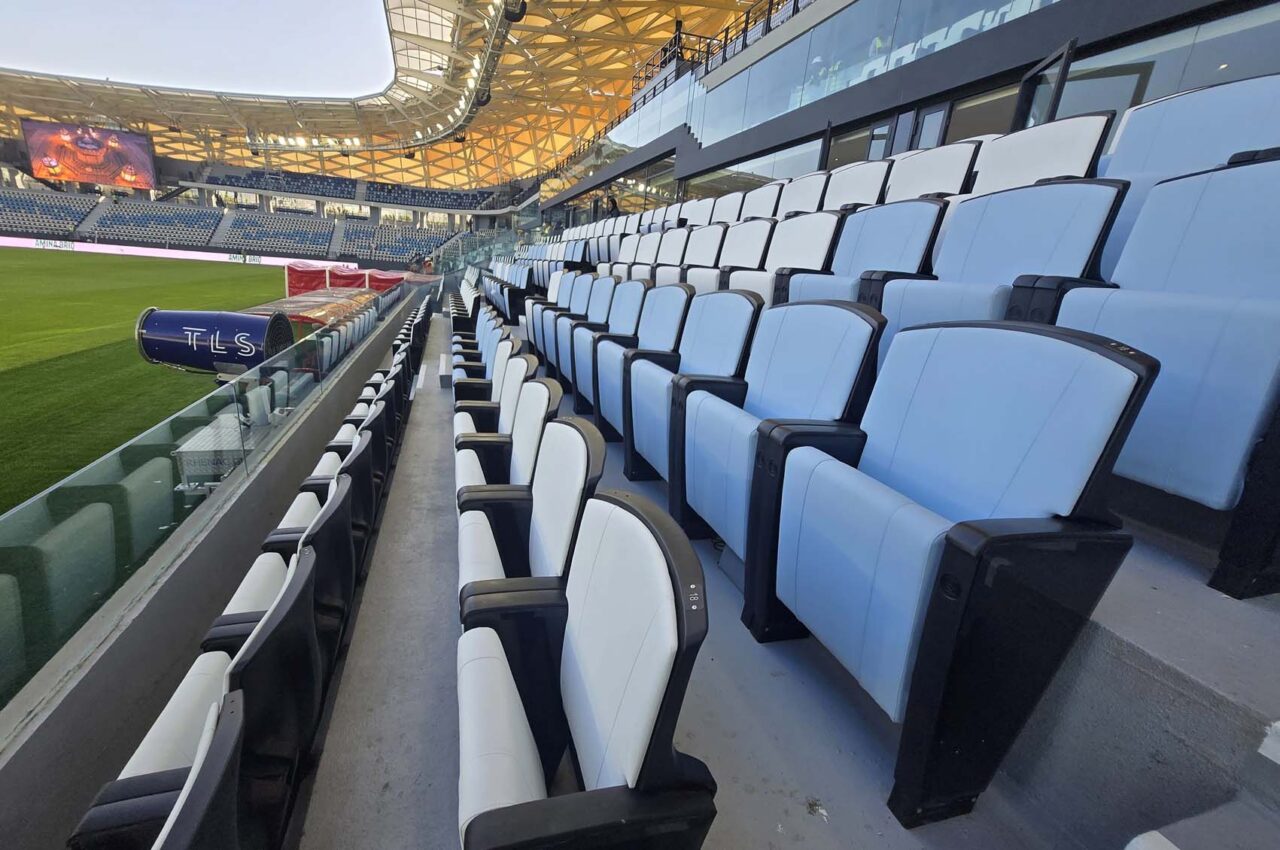
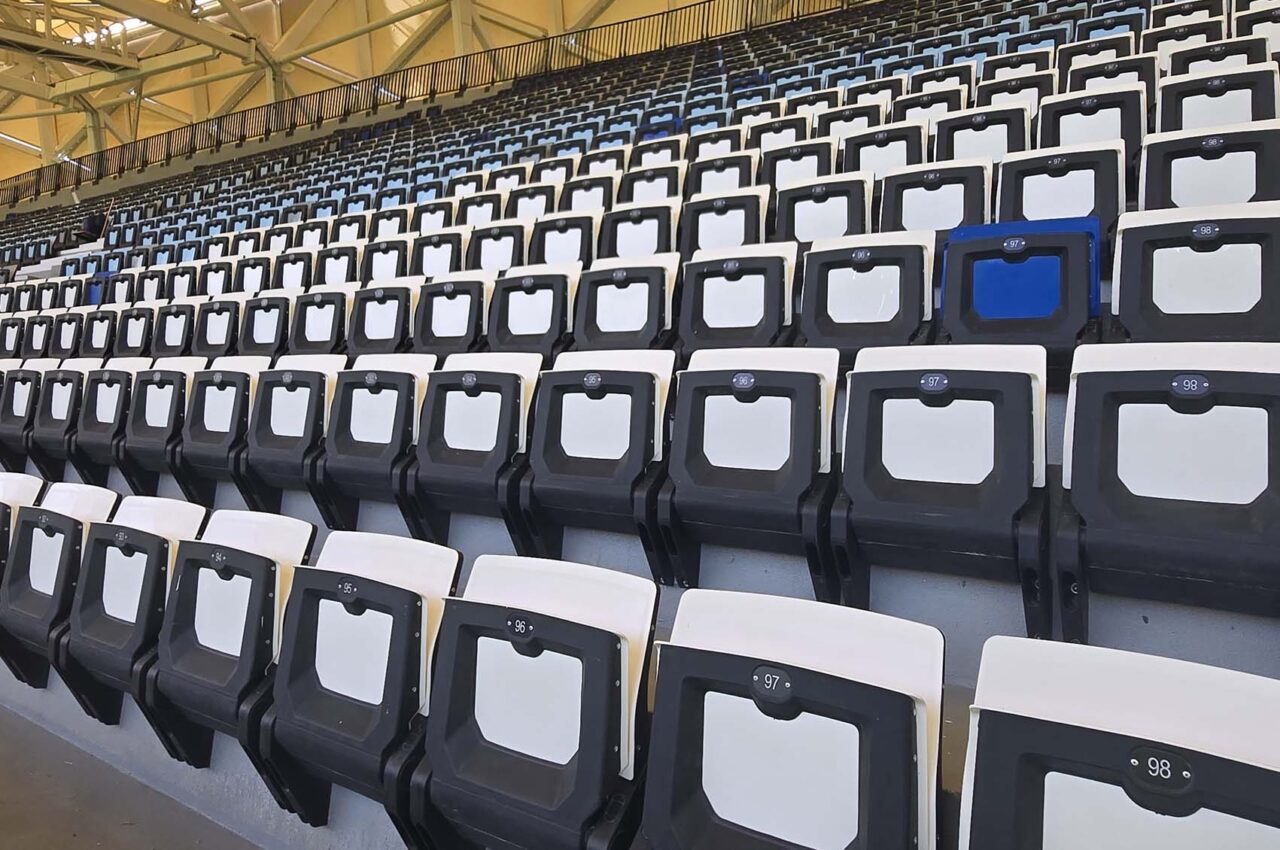
In this Instagram video, you can see why OMSI seating is so highly appreciated around the world. We are in Rabat, Morocco, at the Al Medina Stadium, where fans of the Republic of the Congo celebrate their qualification during the Africa Cup of Nations. Here, OMSI installed its M2013 tip up seats, along with Leonardo Silver and Leonardo Gold armchairs.

Le scelte compiute dai grandi impianti nazionali e internazionali non sono casuali.
In contesti dove il clima può essere estremo e l’affluenza di pubblico massiccia, la resistenza dei materiali (testati secondo le norme EN 12727) e il design che rispetta gli standard FIFA/UEFA CAF sono requisiti fondamentali.
For every request, wherever it comes from in the world, the goal remains the same: to allow every sports fan to be thrilled by the action on the field in maximum comfort.
Durability: when design is much more than meets the eye.
OMSI seating is not only a true expression of design, but also a powerhouse of comfort.
In the modern stadium, seating must be able to withstand different types of stress: from environmental factors—such as extreme heat and hail—to more physical strain. An example?
We apply load-testing protocols that comply with the strictest European standards EN 12727, ensuring that the backrest does not give way even in the most critical situations.
For us, being “durable” doesn’t simply mean not breaking. It means that after ten years of intensive use, the seat is still there—solid and welcoming, as if it had just left our factory.
This is the true magic of OMSI seating: the ability to combine refined, elegant aesthetics with exceptional longevity. It’s an engineering of resilience that you can discover by visiting our dedicated quality and certifications section.
The aesthetics of comfort.
For us, design doesn’t just mean creating a seat that looks good—it means shaping an experience that ensures comfort even after 90 minutes of tension, and maybe extra time.
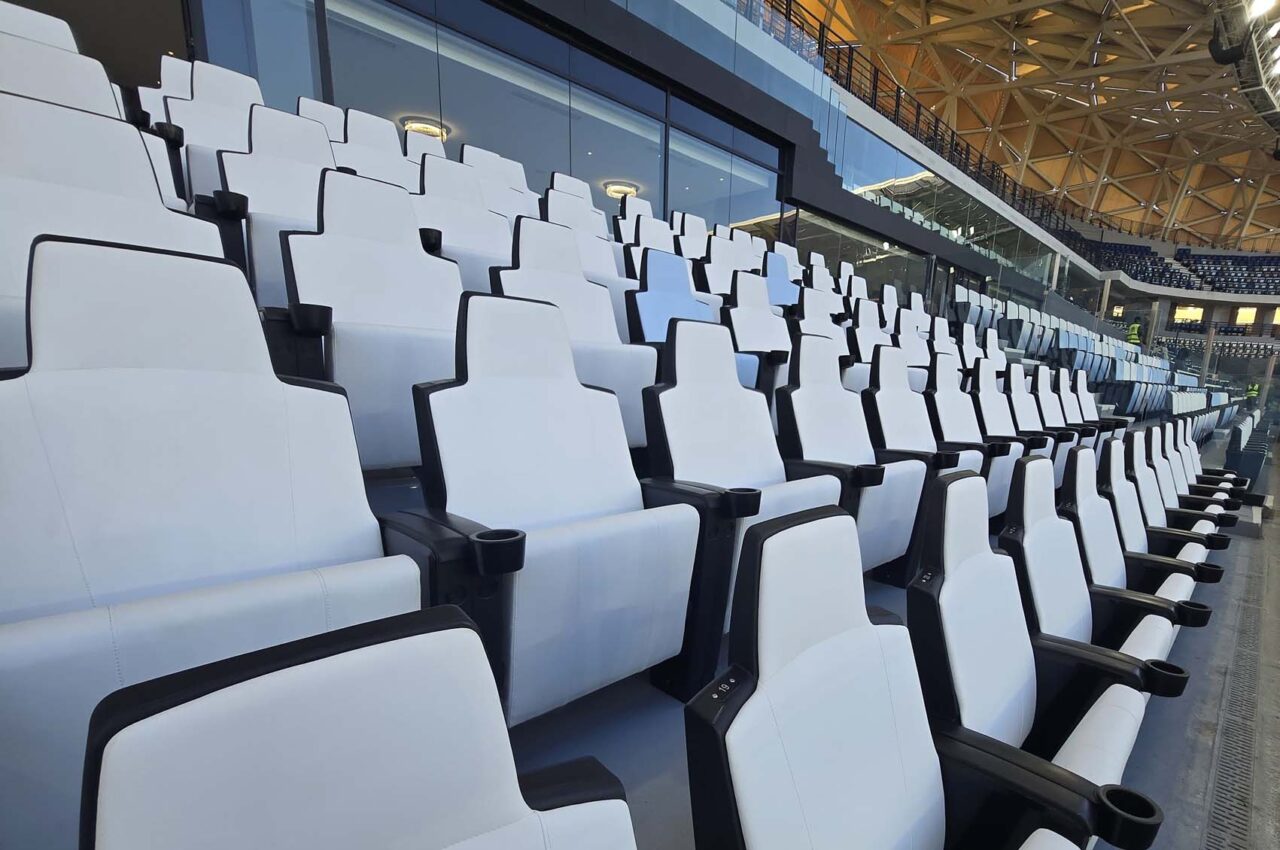
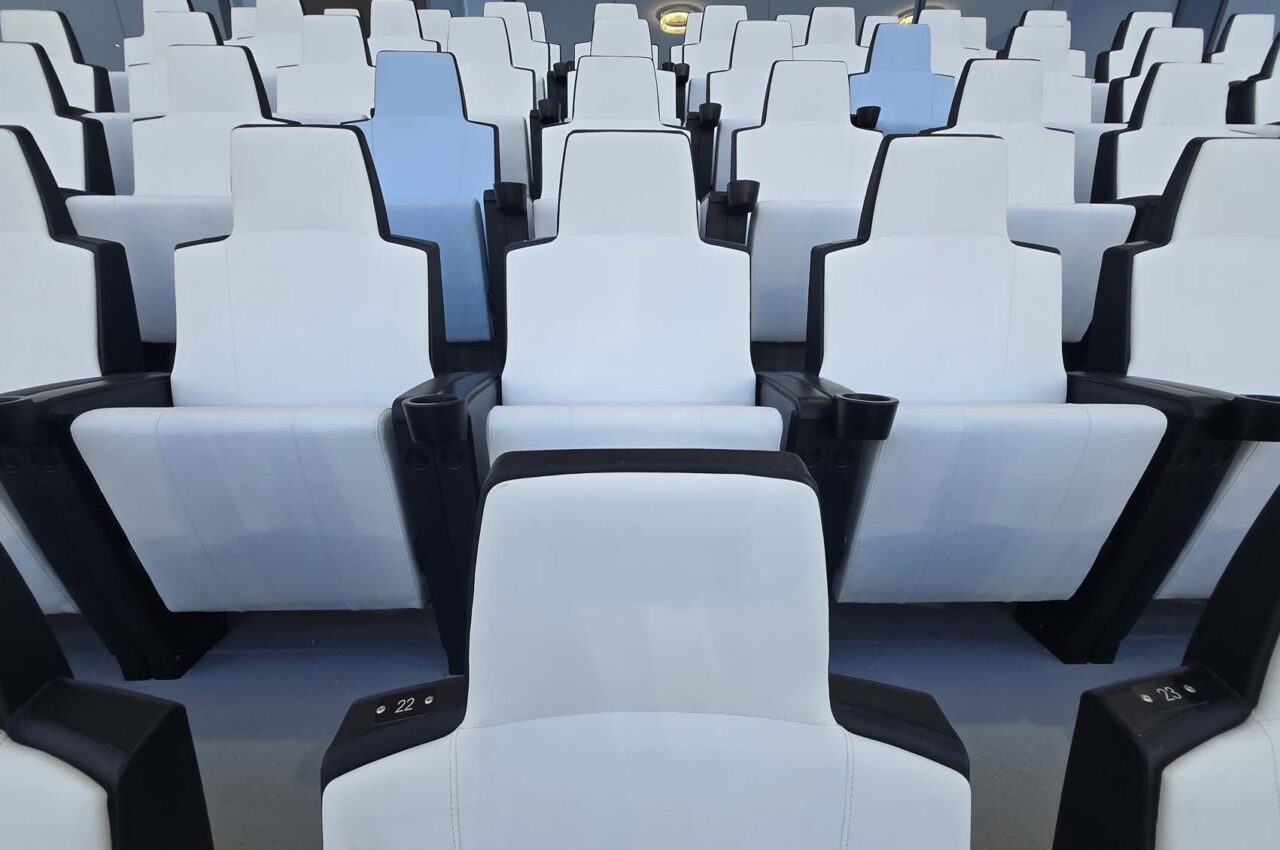
OMSI seating is not just a piece of plastic. It is the result of distinctly Italian research that combines:
- Extreme ergonomics
- Superior durability
- Design-level finishes
PROJECTS, IDEAS, SOLUTIONS - FAQ
What regulations must stadium seats comply with?
Stadium seating must comply with several technical standards designed to ensure safety, durability, and correct installation within sports facilities. Among the main ones, EN 13200-1 regulates the layout of seating in the various sections of the stadium, ensuring compliance with the required dimensions for evacuation routes and the proper organization of spectator areas.
The EN 13200-4 standard concerns fixing systems and defines the requirements necessary to ensure that each seat is installed in a safe, stable, and reliable way over time. This is a fundamental aspect, as the fixing system plays a decisive role in the overall safety of the structure.
In addition, EN 12727 focuses on the mechanical resistance of the seat. To verify its load-bearing capacity, particularly stringent laboratory tests are carried out: among these, a test with 200,000 impacts applied with a weight of 80 kg at 10 cm from the edge of the seat. The same test is then also performed on the backrest, in order to thoroughly test the resistance of the entire structure and assess its reliability even under intensive use conditions.
What are FIFA criteria?
FIFA criteria represent the reference guidelines for the construction of a football stadium, depending on the type of event it is intended to host. The latest FIFA 2030 recommendations mark an important step forward in terms of comfort and sustainability.
What is the lifespan of a stadium seat?
The average lifespan of a seat is approximately 8–10 years outdoors, depending on environmental conditions and the level of exposure to weather agents, and can reach around 15 years indoors. These are indicative values, however, which may vary depending on several factors, such as the usage context, maintenance, and the stresses the seat is subjected to over time.
Are the seats sustainable?
Yes. OMSI has been investing energy and resources in environmental research and protection for years. The company is certified ISO 9001 not only for production but also for installation, and offers several products made from second-life plastic.
In addition, with the 2024 financial statements, OMSI prepared its first sustainability report, setting important environmental goals for the future.
There is also a record the company is particularly proud of: OMSI’s M2020 is the first stadium seat in the world certified with an EPD.
In which African stadiums are OMSI seats installed?
OMSI seats are installed in numerous African stadiums, reflecting a well-established presence across the continent. Countries where they have been installed include Morocco, Algeria, Tunisia, Senegal, Togo, Cameroon, South Africa, Botswana, Angola, and Egypt.
What does the collaboration between OMSI and Pininfarina mean?
The collaboration between OMSI and Pininfarina represents a meeting of Italian design and industrial expertise, applied to stadium seating. It is a partnership that enhances Made in Italy excellence, combining aesthetic research, design, and manufacturing quality.
Thanks to its collaboration with leading Italian designers, OMSI positions itself as an ambassador worldwide of know-how that combines design, innovation, and fully Italian manufacturing. In this context, Pininfarina has brought a distinctive and recognizable touch, blending with OMSI’s industrial expertise to create unique solutions.